
Explore the Vital Health Benefits of Nature and Parkland
This section details the crucial health advantages of preserving Shantalla Park as a community space, emphasizing its role in enhancing physical activity, mental wellness, and fostering a healthier, happier society.
Phytoncides
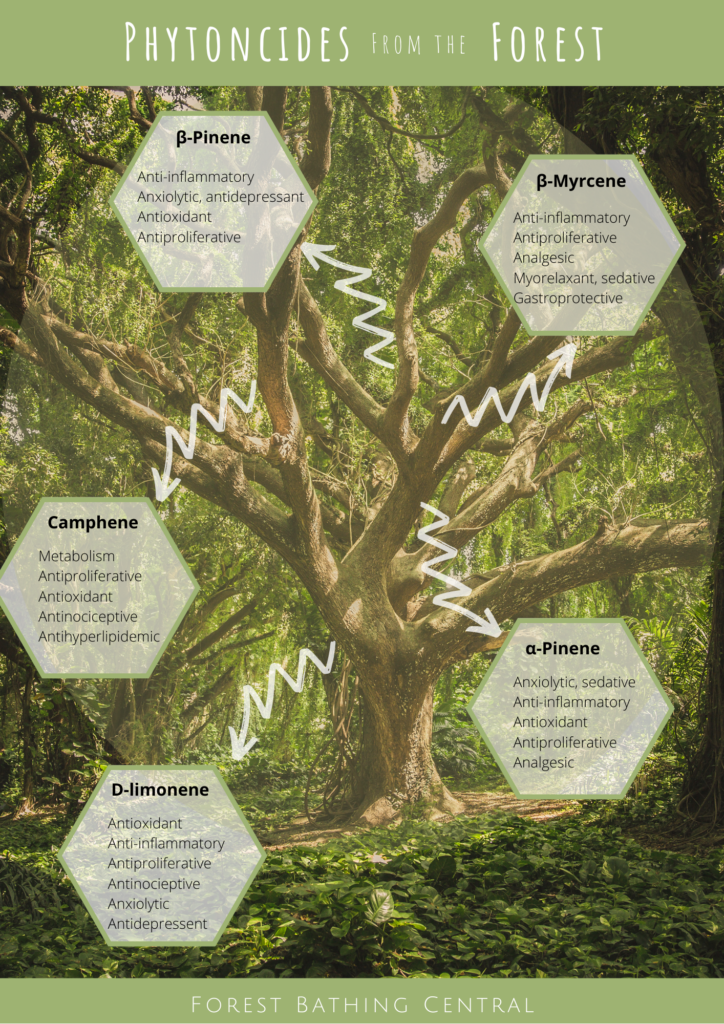
In 1928 a Russian Biochemist called Dr. Tonkin found that many trees and plants produce natural oils containing volatile antimicrobial and insecticidal compounds that are emitted by the plants and trees, and protect them from bacteria, fungi and being eaten by insects and animals.
Unlike the volatile organic compounds (VOCs) found in paint, varnish, cleaning and cosmetic products, Phytoncides are good for you to breathe, with benefits from a single forest walk lasting for weeks.
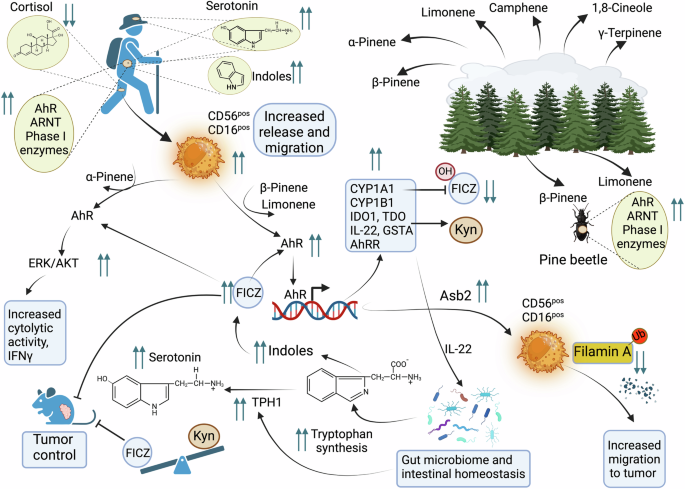
Studies showed that phytoncides improve our immune system by stimulating our white blood cells called “Natural killer cells” (NK cells).
These are the immune cells which provide us with “innate immunity” i.e. rapid responses to virus-infected cells, stressed cells, tumor cells, and other intracellular pathogens.
Many studies are now available looking at the health benefits of nature
Improved immune system and anticancer
A study on the Japanese practise of “forest bathing” reported:
“The increased NK activity lasted for more than 30 days after the trip, suggesting that a forest bathing trip once a month would enable individuals to maintain a higher level of NK activity”
“Because NK cells can kill tumor cells by releasing anti-cancer proteins, such as perforin, GRN, and GrA/B, and forest bathing trips increase NK activity and the intracellular level of anti-cancer proteins, the above findings suggest that forest bathing trips may have a preventive effect on cancer generation and development”

Blood vessels and lungs
A Korean study showed that forest walking is good for your blood vessels and lungs. After one hour in the forest, arterial stiffness and pulmonary function were improved in the participants, while there was no improvement recorded in the city walking group.
Stress reduction in 5 minutes or less
The restorative effects of nature scenes are manifested within only three to five minutes, studies showing positive changes in blood pressure, heart activity, muscle tension and brain electrical activity
Recuperation from Stress
A study looking at 120 stressed individuals showed recuperation was faster and more complete with exposure to nature rather than a built environment
Less anxiety and Pain
A study in Sweden of heart surgery patients showed that those with visual stimulation of nature scenes had less anxiety and pain than others in their post operative recovery
Shorter hospital stays and fewer complications
One study looked at gallbladder surgery patients who had a view of nature from their window. Compared with those that had a view of a brick building, people with views of nature recovered more quickly and needed less pain medication
Championing Health Through the Preservation of Shantalla Park
Explore how maintaining Shantalla Park as a public space fosters physical vitality and mental well-being for the community.

Promoting Physical Wellness
Shantalla Park encourages active lifestyles by offering safe, green spaces for exercise, reducing health risks linked to inactivity.

Supporting Mental Health
Access to natural surroundings within the park helps alleviate stress and anxiety, enhancing overall emotional resilience.

Fostering Community Connection
The park serves as a social hub, strengthening relationships and promoting a sense of belonging critical to mental health.

Ensuring Long-Term Public Benefit
Protecting Shantalla Park safeguards a vital resource that continuously supports wellness for generations to come.